
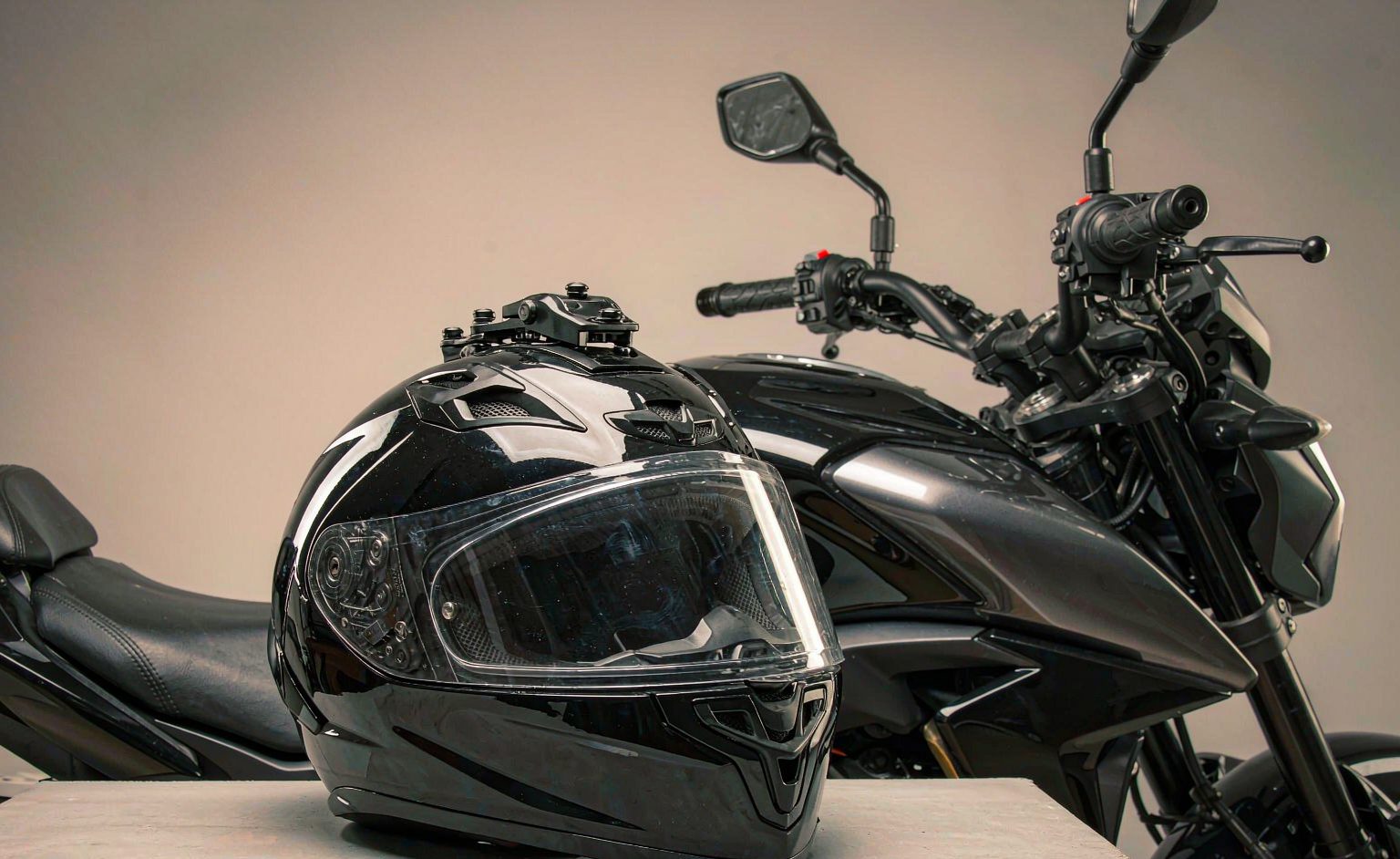
A helmet’s certification sticker is the only part of it most buyers examine, and the market rewards the confusion: the same shell can carry a DOT sticker, an ECE mark, both, or a mark that means very little. The three standards that dominate global sales — ECE 22.06, the US DOT standard and SNELL — test overlapping but genuinely different things, and a helmet that passes one can fail another without either being fraudulent. This guide explains what each standard measures, where they disagree, how their enforcement models differ, and what riders and importers should actually check before buying or shipping.
Key Takeaways
- ECE 22.06 added rotational and multi-site oblique impact testing — addressing the brain-injury mechanism linear tests miss.
- DOT is self-certified by the manufacturer; ECE uses type-approval plus unannounced retail retesting.
- SNELL is voluntary, independent and the most demanding — but optimised for extreme impacts, not everyday fit.
- The in-shell label (standard number, approval mark, homologation code) is the compliance evidence; a missing or mismatched code is a red flag.
- Fit beats every standard: a loose helmet fails in practice regardless of certification.
Why Standards Test Different Things
Helmet testing began as impact-attenuation work: drop a helmeted headform onto an anvil and measure the acceleration inside. Modern standards have diverged on the questions they ask. ECE 22.06, the newest major revision, added rotational-impact testing and oblique impacts at multiple sites, reflecting the medical finding that brain injury is driven by rotation as much as linear force. The DOT standard, essentially unchanged in structure for decades, tests a narrower matrix. SNELL, a private foundation rather than a regulator, runs its own protocol and is widely regarded as the most demanding — and, critics note, the least representative of real crashes.
| Standard | Issued by | Notable for |
|---|---|---|
| ECE 22.06 | UN Economic Commission for Europe | Rotational impact tests, multi-site oblique impacts, unannounced market sampling |
| ECE 22.05 | Same, previous revision | Still the legal baseline in much of Europe and Asia |
| DOT FMVSS 218 | US Department of Transportation | Simple legal mark; self-certified by manufacturers |
| SNELL M2020 / M2015 | Snell Memorial Foundation | Independent testing, higher impact energies, optional premium certification |
The enforcement model matters as much as the test matrix. ECE certification requires type-approval testing plus ongoing factory surveillance, and European authorities pull helmets from retail shelves for retesting — a helmet on a European shelf has been through a system, not just a lab. DOT compliance is self-certified: a manufacturer affixes the DOT sticker based on its own testing, which keeps cheap helmets legal and places the burden of verification on the buyer. SNELL tests helmets voluntarily submitted by makers who choose to pay for the scrutiny.
What Each Standard Actually Measures
All three test impact attenuation at defined energies, but the details diverge in ways that matter. ECE 22.06 drops helmets onto flat and oblique anvils at multiple points including locations the older protocols skipped, and it measures peak rotational acceleration at the headform — the metric tied to diffuse brain injury. It also tests the visor as part of the system, including penetration resistance and optical quality, which is why an ECE-approved helmet and a generic tinted faceshield are not interchangeable. DOT tests a smaller set of impact sites at lower energies and does not include rotational criteria; a DOT-legal helmet can be significantly less protective than the same shell certified to ECE 22.06. SNELL adds higher-energy impacts and stricter retention-system testing, and its M2020 protocol has been criticised for impact energies that exceed most real-world crashes — demanding, yes, but a helmet optimised for it may trade comfort and fit for test performance.
Fit deserves more attention than any test protocol, because a loose helmet fails every standard in practice. The correct method is the one taught to new riders from day one — covered in our beginner riding guide and the essential skills guide: the helmet should grip the cheeks when you shake your head, sit level with the tops of the eyebrows, and leave no gap at the nape. Standards test the helmet; only the rider tests the fit. The same logic applies to children’s and off-road use, where beginner dirt bike guidance covers the additional considerations of lighter shells and goggle compatibility.
Reading the Label Like an Importer
For importers and distributors, helmet standards are a compliance and liability question before they are a product question. The label inside the shell carries the standard number, the approval mark and a homologation code; ECE labels include a circle-surrounded “E” followed by the approving country’s number, and a serial that traces to the type-approval file. Shipments claiming ECE approval without the in-shell label, or with a label whose country code does not match the claimed market, are a red flag that customs and liability counsel will both notice.
| Market | Legal requirement | Practical import note |
|---|---|---|
| EU / EEA | ECE 22.05 or 22.06 | 22.06 stock increasingly expected; 22.05 still legal but aging |
| United States | DOT FMVSS 218 (self-certified) | Demand the manufacturer’s test documentation, not just the sticker |
| Latin America / SE Asia | Varies by country; ECE widely referenced | Check the specific national regulation before committing to a SKU |
Warranty and claims strategy follows the same logic as the rest of the catalogue — a topic covered in our export warranty guide: helmets are the one accessory where a safety recall or standards non-compliance lands directly on the distributor’s name in the destination market. The cheapest helmet in a container is never cheap when the approval file cannot be produced on request.
Frequently Asked Questions
Is ECE 22.06 dramatically safer than 22.05?
It adds rotational and broader oblique-impact testing, which addresses a real injury mechanism. The practical difference for a rider is incremental but real; for a buyer, 22.06 certification signals a current production line.
Can a helmet be both DOT and ECE approved?
Yes — dual certification is common and the label shows both marks. What matters is that both are genuine: verify the approval numbers rather than trusting the stickers.
Does SNELL certification mean the safest helmet?
It means the helmet passed a demanding independent protocol. Because the protocol prioritises extreme impacts over all else, a SNELL helmet is not automatically the best choice for every rider — fit and comfort, which decide whether the helmet is worn, matter more day to day.
Why is DOT considered weaker than ECE?
Not because the test is invalid, but because DOT is self-certified by the manufacturer with no routine unannounced retail retesting, whereas ECE pairs type-approval with market surveillance.
What should the in-shell label show?
The standard number, the approval mark (for ECE, a circled “E” plus the approving country’s number) and a serial tracing to the type-approval file. Missing or mismatched codes are a red flag.
Does the visor get tested too?
Under ECE 22.06 yes — penetration resistance and optical quality are part of the system. That is why an approved helmet and a generic tinted faceshield are not interchangeable.
Which standard should I stock for a new market?
Check the destination’s national regulation first; many reference ECE. Stocking 22.06 future-proofs you as 22.05 phases out, but confirm the legal baseline before committing a SKU.
Technical background: motorcycle helmet design and regulation, the UN vehicle regulation framework and rotational impact and brain injury cover the standards and medical context referenced above.