
Motorcycle Import Certification: What Actually Clears Customs
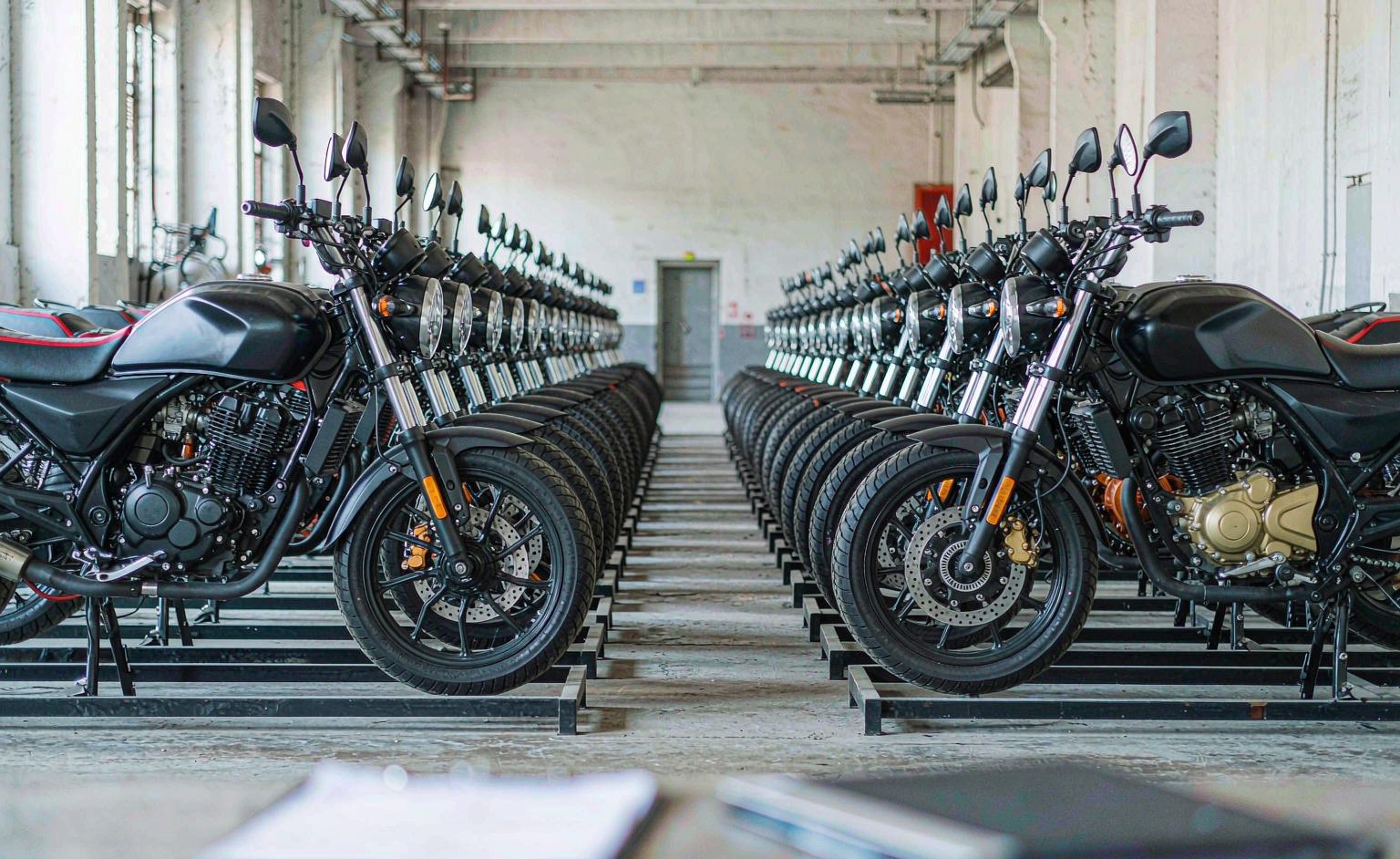
A motorcycle is not a generic commodity at the border; it is a regulated vehicle whose certification decides whether a container is released or held. Type approval, emissions and safety evidence, and the paperwork that ties them to the actual units — each market has its own version, and each has a gap that stops shipments. Importers who treat certification as a formality learn the cost when a held container accrues demurrage while they scramble for a missing certificate.

Key Takeaways
- Type approval is the legal basis; emissions and safety evidence support it.
- Documentation must link certificates to the actual VINs and batch.
- Markets differ; one approval does not cover another.
- The common stop is a certificate with no unit-level traceability.
- PDI and spare-parts planning are downstream of a clean import.
Type Approval and the Evidence
Type approval is the permission to sell a model; the test evidence is what proves the model earns it.
| Element | Proves | Failure mode |
|---|---|---|
| Type approval | Model is legal to sell | Wrong or expired |
| Emissions cert | Meets local limits | Non-compliant engine |
| Safety cert | Meets safety rules | Missing test |
The approval is for a model, and the evidence must match the model actually shipped. Sourcing the right model in the first place is covered in our sourcing guide, and a clean import is what lets the downstream pre-delivery inspection and spare parts planning proceed.
Documentation and Traceability
The certificate is only as good as its link to the units.
| Document | Must show | Common gap |
|---|---|---|
| Certificate | Model and approval no. | No VIN link |
| Commercial invoice | Quantity and value | Mismatch with units |
| Conformance | Signed declaration | Generic, unsigned |
A certificate that cannot be tied to the specific VINs in the container is the single most common cause of a customs hold. The fix is unit-level traceability, not a better stamp.
Market Differences
No single approval covers every market; the rules and the evidence differ.
| Market type | Difference | Importer action |
|---|---|---|
| Strict regulation | Full type approval | Plan months ahead |
| Partial harmonisation | Some mutual recognition | Confirm scope |
| Loose enforcement | Inconsistent checks | Still carry proof |
Even where enforcement is light, carrying the proof protects you when a shipment is selected for audit. The cost of the certificate is small against the cost of a held container.
Frequently Asked Questions
What is motorcycle type approval?
It is the legal permission to sell a specific model in a market, backed by emissions and safety test evidence. Without it, the model is not legal to import, regardless of the bike’s quality.
Does one approval cover all markets?
No. Each market has its own rules and evidence requirements. An approval in one region does not clear customs in another; plan per destination.
Why is traceability important?
Because a certificate must link to the actual VINs and batch in the container. A certificate with no unit-level link is the most common cause of a customs hold.
What documents are checked?
The type approval certificate, commercial invoice and a signed conformance declaration, all internally consistent on model, quantity and value.
Where do shipments get stopped?
At customs when the certificate cannot be tied to the units, or when the approval is wrong or expired for the model shipped.
How far ahead should I plan?
Months for strict markets, because type approval and evidence take time. Leaving it to arrival guarantees a hold and demurrage.
Does light enforcement mean I can skip proof?
No. Selected audits still happen, and the proof is cheap against the cost of a held container. Carry it regardless of enforcement climate.
Technical background: vehicle inspection, motorcycle and import explain the regulatory and vehicle context referenced above.