
Cafe Racer Sourcing and Procurement: Spec, Supplier and the Parts That Matter
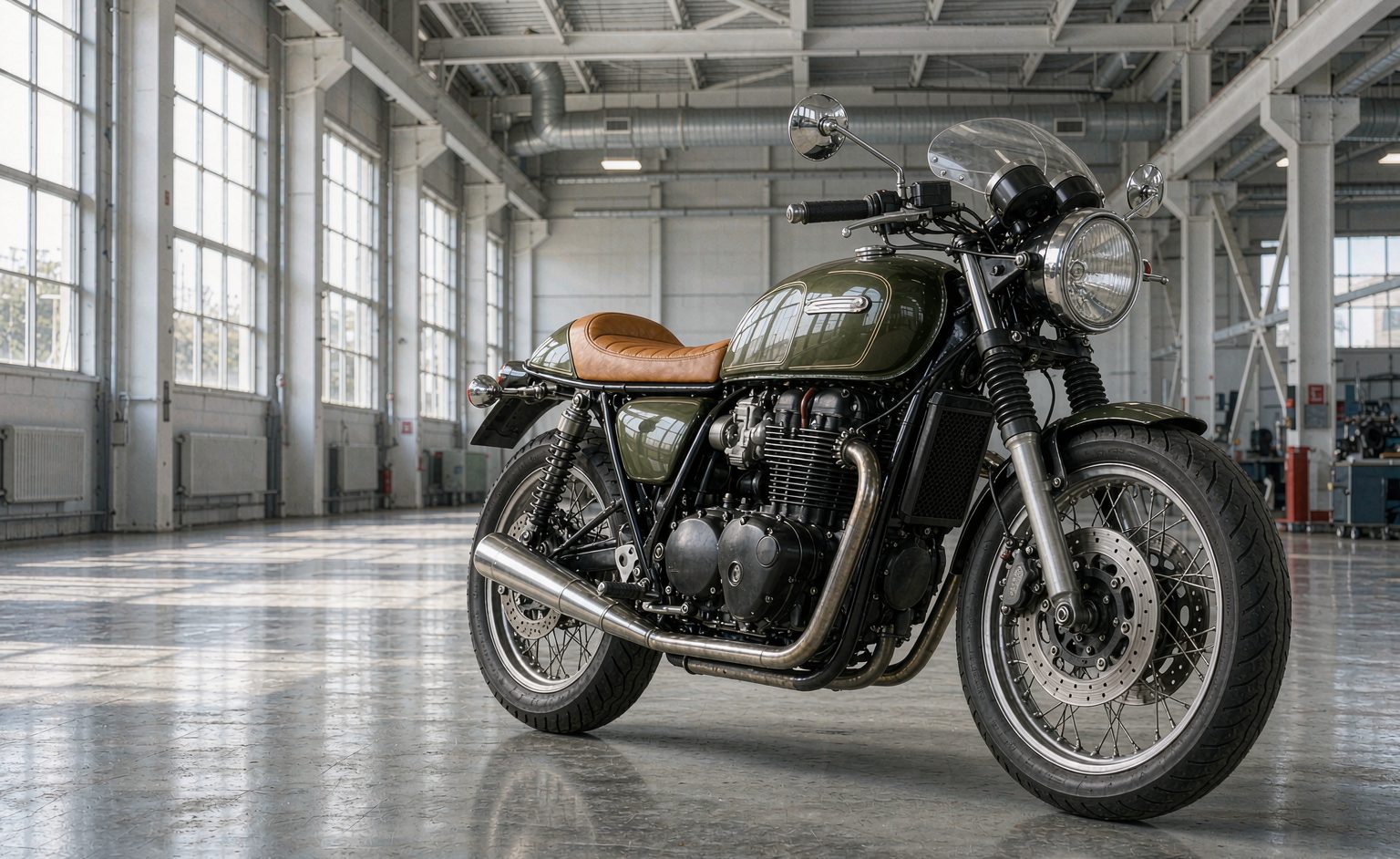
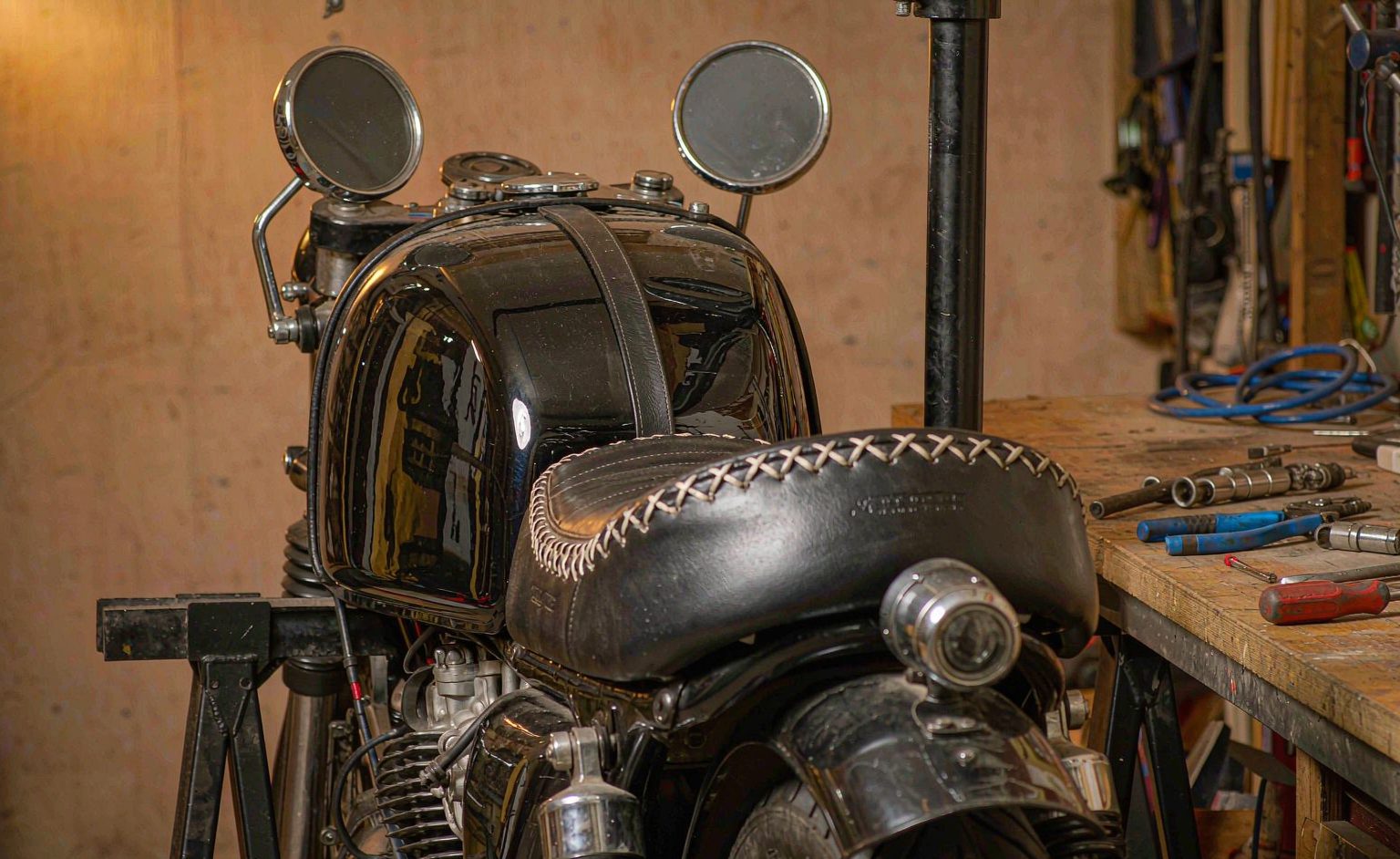
A cafe racer is defined by its details, and those details are procurement decisions. The frame geometry, the tank shape, the brake and suspension spec — each is sourced, and each is where a build goes right or wrong. Buyers who chase the lowest price on a tank and ignore the supplier’s ability to hold a finish end up with a bike that photographs well and rides poorly. Sourcing a cafe racer is specifying what matters and qualifying who can deliver it repeatedly.
Key Takeaways
- Frame, tank and running gear are the parts that define the build and the ride.
- Supplier qualification matters more than unit price for finish-sensitive parts.
- Lead times on cast and fabricated parts set the build schedule.
- Matching the spec to the market’s import rules avoids a bike you cannot sell.
- Spare-parts planning starts at sourcing, not after the first service.
Specifying the Defining Parts
Some parts are cosmetic; some define the bike. Spend the spec effort on the latter.
| Part | Why it matters | Spec risk |
|---|---|---|
| Frame | Geometry and safety | Wrong rake, weak weld |
| Fuel tank | Look and capacity | Poor finish, leaks |
| Brakes and suspension | Ride and safety | Under-spec |
The tank is the visual signature but the frame and running gear are what make it a motorcycle. The model chosen must also satisfy import certification for the target market, and it sits alongside the off-road line in a broader catalogue.
Supplier Qualification
For finish-sensitive parts, the supplier’s consistency beats their price.
| Criterion | Protects | Red flag |
|---|---|---|
| Finish consistency | Batch-to-batch look | Drift between orders |
| Weld quality | Safety and strength | No procedure |
| Capacity | Lead time hold | Single-source risk |
A supplier who nails the first sample but drifts by the third order is a brand risk, not a saving. Qualification is the procurement work that pays back across every reorder, and it sets up the spare parts programme.
Lead Times and the Build Schedule
Fabricated and cast parts drive the timeline; off-the-shelf items do not.
| Part type | Lead driver | Buyer move |
|---|---|---|
| Cast parts | Tooling and runs | Order early |
| Fabricated | Labour and jigs | Confirm capacity |
| Off-the-shelf | Short | Keep buffer |
The build schedule is set by the longest cast or fabricated lead time, not by the easy parts. Planning around it avoids the classic gap where everything is ready except the one part with a twelve-week run.
Frequently Asked Questions
Which cafe racer parts matter most?
Frame, fuel tank and running gear. The tank is the visual signature, but the frame geometry and brakes define whether the bike is safe and good to ride.
Why qualify suppliers beyond price?
For finish-sensitive parts, consistency across orders protects the brand. A supplier who drifts after the first sample is a risk, not a saving.
What drives the build schedule?
Cast and fabricated part lead times, not off-the-shelf items. The longest tooling or fabrication run sets when the build can complete.
How do I avoid a bike I cannot sell?
Match the sourced model and spec to the target market’s import certification before buying, so the finished bike clears customs rather than sitting.
What is the biggest procurement trap?
Chasing the lowest price on the tank while ignoring the supplier’s ability to hold finish and weld quality, producing a bike that looks right but rides wrong.
When should spare parts be planned?
At sourcing, not after the first service. The qualified supplier and the defined parts become the basis for a spare-parts kit later.
Should I single-source?
Avoid it for critical parts. Single-source capacity risk can stop a whole build when one supplier is full or fails a batch.
Technical background: cafe racer, motorcycle and supply chain explain the product and sourcing context referenced above.