
Spare Parts Kits for Motorcycles: What to Bundle and Why It Sells
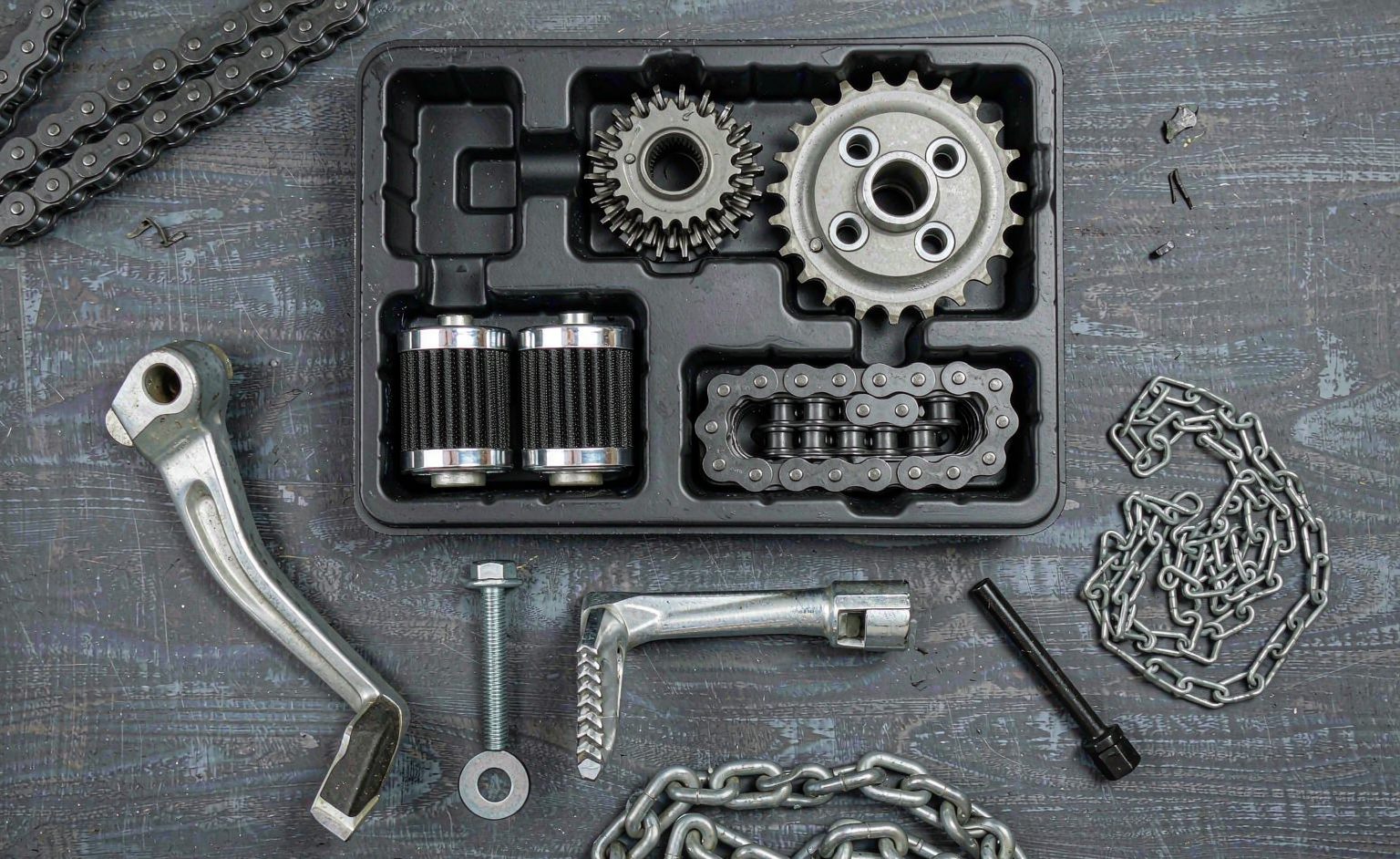
A spare parts kit is often treated as a box of leftovers, but done well it is a product with its own margin and a powerful satisfaction lever. The kit bundles the parts a rider will actually need — wear items and consumables — and presents them as a coherent offer at point of sale. Riders who buy the kit ride longer before a service interruption, and the seller captures margin and loyalty that a loose parts bin never delivers. The kit is planned at sourcing, not assembled from what is left.

Key Takeaways
- A kit bundles wear and consumable parts the rider will need, not random stock.
- Sizing by model and market decides what is in the box.
- Kits are a margin product and a satisfaction lever, not an afterthought.
- Planning the kit at sourcing aligns it with the bike’s parts.
- A PDI feedback loop shows which parts actually fail and belong in the kit.
Choosing What Goes in the Box
The kit should contain parts that wear or get consumed, not the parts that never fail.
| Part type | Include? | Reason |
|---|---|---|
| Filters, bulbs, fuses | Yes | Consumable, frequent |
| Brake pads, chain | Yes | Wear items |
| Engine internals | No | Rarely needed, costly |
| Body panels | Maybe | Market-dependent |
Bundling a costly rarely-needed part inflates the kit price and kills the sale. The right kit is high-likelihood, low-cost items the rider thanks you for having. The bike those parts fit is defined by the sourcing and the import decisions already made.
Sizing by Model and Market
The same kit does not fit every model or market.
| Variable | Effect | Action |
|---|---|---|
| Model | Different wear parts | Kit per model |
| Market climate | Wear rates differ | Adjust contents |
| Regulation | Some parts restricted | Check rules |
A dusty-market kit might carry more filters; a cold-market kit more consumables for storage. Aligning the kit to the market is what makes it sell rather than sit. The data for this comes from the PDI defect loop and field returns.
Margin and Service Benefits
The kit pays back on two axes: margin now and loyalty later.
| Benefit | Mechanism | Payback |
|---|---|---|
| Margin | Bundle premium over loose parts | At point of sale |
| Satisfaction | Fewer service interruptions | Across ownership |
| Loyalty | Rider returns for the brand | Next purchase |
The aftermarket for motorcycles rewards brands that make service easy. A well-designed kit is the first step in that relationship, and it converts a one-time sale into a service relationship.
Frequently Asked Questions
What goes in a motorcycle spare parts kit?
Wear and consumable parts the rider will actually need: filters, bulbs, fuses, brake pads, chain. Not costly parts that rarely fail, which only inflate the price.
Should the kit be the same for every model?
No. Each model has different wear parts, and markets differ in climate and regulation. Size the kit per model and adjust contents by market.
Why is a kit a product, not leftovers?
Because a coherent, high-likelihood bundle sells at a margin and lifts satisfaction, whereas a box of random stock sits and confuses.
When should the kit be planned?
At sourcing, aligned with the bike’s actual parts, not assembled from surplus after production.
How do I know which parts to include?
From the PDI defect loop and field returns, which show which components actually fail and belong in the kit.
What market factors change the kit?
Climate affects wear rates (more filters in dust, more consumables in cold) and some parts are restricted by local regulation.
How does a kit build loyalty?
By making service easy and the brand the obvious source for parts, turning a one-time sale into a service relationship.
Technical background: spare part, motorcycle and aftermarket explain the parts and aftermarket context referenced above.