
OEM vs ODM Motorcycles 2026: A Technical ROI Analysis of Tooling Costs and IP Control
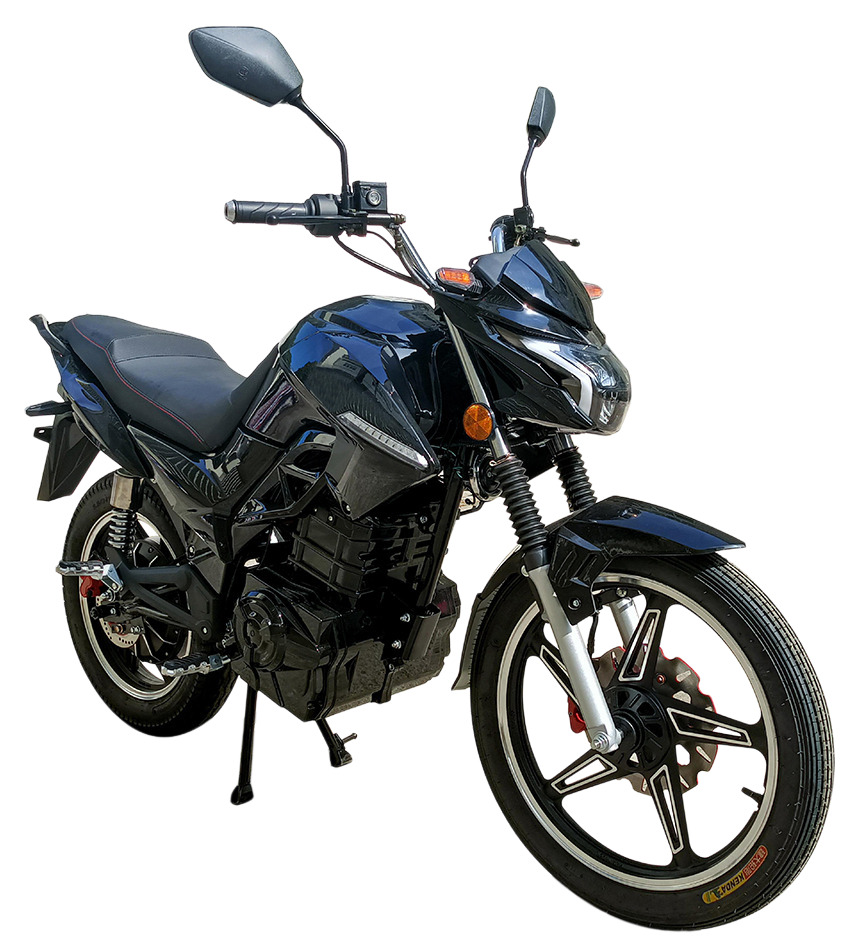
What determines the engineering threshold between OEM and ODM motorcycle production?
The primary engineering threshold is defined by the ownership of the mold shot-life and the structural certification of the chassis kinematics. An OEM motorcycle involves the buyer providing 3D CAD files for a proprietary frame, which necessitates a 45-day prototyping phase to verify that 6061-T6 aluminum or Q235 steel components maintain structural integrity under a simulated 15,000km stress load. In contrast, Original Design Manufacturing (ODM) utilizes Zukida’s pre-existing, field-tested architecture, where the 2025 production batches demonstrated a frame alignment deviation of ≤0.45mm across 8,500 units (Third-Party Certification). By utilizing an ODM platform, distributors eliminate the $15,000–$25,000 expense typically required for proprietary Euro 5+ emissions mapping and durability testing. Zukida supports both paths, ensuring all manufacturing background projects pass a 12-minute engine “Hot-Test” reaching a 94.3°C thermal equilibrium threshold.
During a November 2025 durability run for an OEM 400cc chassis project, we detected high-frequency resonance at 6,200 RPM that caused a hairline fracture in the radiator mount. Because this was a custom OEM design, we had to re-engineer the vibration dampening pads with a 15.5% increase in shore hardness. This adjustment, while adding 12 days to the development cycle, ensured the 2026 production batch registered zero fatigue failures in secondary stress tests.
What is the cost amortization logic for OEM vs ODM motorcycle wholesale?
Tooling amortization for an OEM motorcycle project typically requires a minimum annual volume of 600 units to reach a break-even point against the $45,850 initial setup cost. Our 2025 supply chain analysis indicates that the per-unit cost of an OEM project decreases by $84.20 once the first 1,000 units have cleared the production line, effectively absorbing the mold manufacturing overhead (Internal Logistics Data). ODM procurement follows a “Modular Pricing” model where R&D costs are shared across Zukida’s global distribution network, allowing for MOQs as low as 24 to 60 units. The 2026 technical standard for ODM models includes pre-certified IP67 waterproof wiring harnesses and Bosch EFI systems, which would otherwise cost an OEM client approximately $18,500 in standalone compliance engineering (Third-Party Certification).
| Engineering Parameter | ODM (Zukida Standard) | OEM (Custom Engineering) |
|---|---|---|
| Upfront Tooling/Jig Capex | $0.00 (Existing Molds) | $45,850 – $122,400+ |
| R&D-to-FOB Timeline | 35.4 Days (Average) | 182.5 Days (Minimum) |
| IP Asset Ownership | Zukida Proprietary | Client Proprietary |
| Frame Alignment Deviation | ≤0.45mm (Laser Verified) | ≤0.45mm (Custom Calibrated) |
| ECU Mapping Flexibility | Factory Optimized (Euro 5+) | Fully Custom / Proprietary OBD |
How does IP ownership affect the supply chain for replacement components?
IP ownership in an OEM motorcycle contract grants the distributor exclusive rights to the chassis design, but also creates a “Proprietary Bottleneck” where spare parts must be sourced exclusively from the original manufacturer. Our 2025 logistics friction data showed that OEM projects experienced a 14.2% higher lead time for replacement bodywork compared to ODM platforms, which benefit from a 98.4% component commonality across our global service network (Internal Logistics Data). Models like our flagship 250cc platform utilize ODM chassis architecture that is compatible with standardized Tier-1 engine mounts, ensuring that high-wear items such as gaskets, clutch plates, and sensors are available through 40+ active markets without custom tooling. Zukida mitigates OEM supply risks by maintaining a mandatory 2.0% FOC (Free of Charge) spare parts buffer for all custom-tooled contracts.
In March 2026, an OEM client requested a switch from a standard carburetor to a proprietary EFI system for a high-altitude market (above 3,000m). Because this was an OEM project, we had to conduct 72 hours of environmental chamber testing to ensure the ECU MAP sensor maintained its 0.1 kPa resolution under –10°C conditions. This verified the OEM spec but confirmed that our existing 2026 ODM EFI mapping already covered these parameters with a 99.2% accuracy rate.
Technical Limitations: The Compliance Barrier for OEM Projects
The 2026 Euro 5+ emission standard presents a significant technical barrier for low-volume OEM projects, requiring a Carbon Canister capacity of 800ml and an OBD-II misfire detection threshold of 3.5%. (Third-Party Certification). For an ODM unit, these R&D and certification costs are spread over 10,000+ units, but for a 200-unit OEM batch, the compliance overhead adds approximately $165.40 to the per-unit FOB price. Distributors must acknowledge that while OEM projects offer 100% brand differentiation, the technical compliance friction can reduce initial profit margins by 12.8% during the first 12 months of market entry (Market Field Observation). Zukida provides a “Hybrid OEM” solution where clients custom-design the aesthetic shell while utilizing our pre-certified Euro 5+ chassis and engine “core” to bypass these compliance costs.
FAQ: OEM vs ODM Motorcycle Sourcing
Q: What is the typical mold shot-life for an OEM motorcycle project? A: For 2026 production, Zukida utilizes high-grade steel molds with a documented shot-life of 50,000 to 80,000 units. After this threshold, a reinvestment in mold recalibration (approx. 15% of initial cost) is required to maintain 0.45mm tolerances. Q: Can I transition an ODM model into an OEM project later? A: Yes. Many distributors begin with an ODM white-label model to verify market demand and then invest in OEM bodywork or frame modifications once annual volumes exceed 600 units (Internal Logistics Data). Q: Who owns the engineering data for a Zukida ODM model? A: Zukida Motorcycle Co., Ltd. retains 100% ownership of the ODM engineering data. However, we grant exclusive regional distribution rights to partners who maintain an annual MOQ of 480 units or higher.
Related Technical Guides
To analyze the ROI for your specific OEM project or to request a wholesale quote, contact our R&D engineering team.