

CBS links the two brakes so one lever uses both; ABS stops a wheel from locking. In the ABS vs CBS decision, they solve different problems, and in an emergency stop the difference is measured in whether the bike stays upright. This guide explains both, where each is required, and what to specify for your market.
ABS vs CBS: The Core Difference
| System | What it does | Prevents |
|---|---|---|
| CBS (combined braking) | Applies both brakes from one control | Under-braking, rear-only habit |
| ABS (anti-lock) | Releases pressure before lock-up | Skidding, loss of steering |
| Combined ABS | Both functions together | Both failure modes |
CBS makes the average stop shorter by using the tyres you already have. ABS keeps a panic stop controllable. They are not competing versions of the same thing.
Why Regulators Treat Them Differently
Both systems reduce real-world crashes, but regulators generally mandate ABS above a displacement threshold because it addresses the deadliest failure — a locked wheel in a straight-line emergency stop.
Confirm the requirement for your market before specifying a model; a bike that cannot be registered is not a saving. Our compliance guide covers homologation paperwork.

What Riders Actually Feel
ABS pulses at the lever when it intervenes, which surprises riders the first time and reassures them every time after. On loose surfaces it can lengthen stopping distance slightly while keeping the bike upright — the trade riders want.
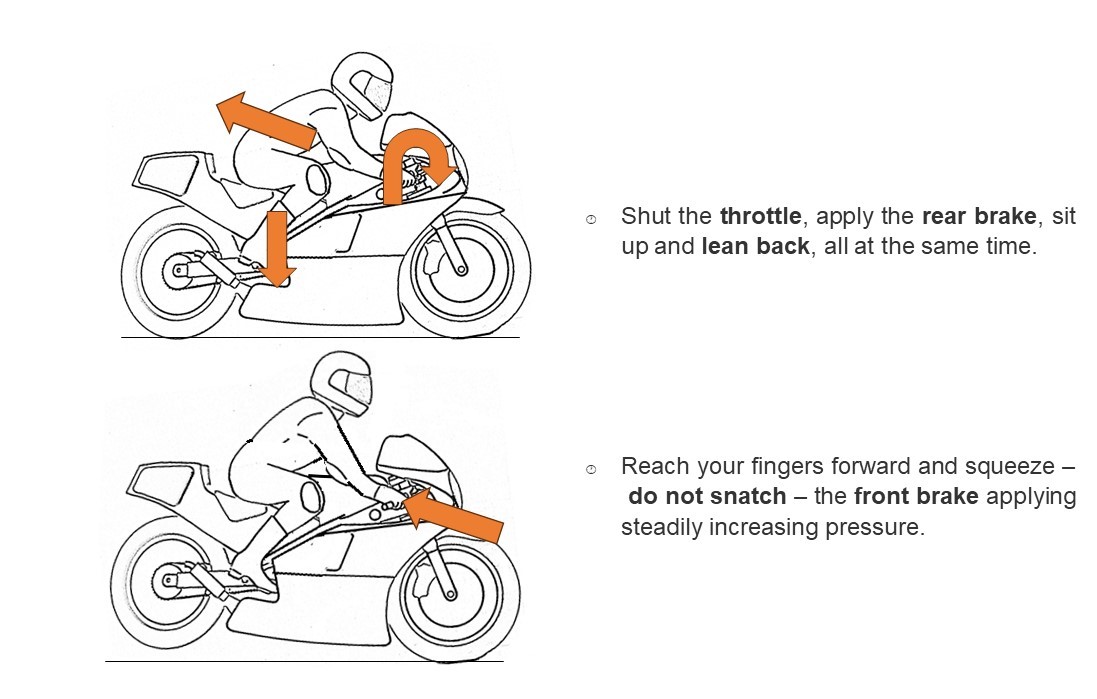
CBS is invisible in normal riding; its benefit appears when a rider grabs the rear lever only and the bike stops shorter than expected. Our beginner guide teaches the technique either way.
Cost, Weight, and Service
ABS adds a pump, sensors, and wiring: cost, a couple of kilograms, and a component that a basic workshop cannot rebuild. CBS is largely mechanical and cheap to keep working.
For price-sensitive commuter markets, CBS delivers most of the everyday benefit at a fraction of the cost — which is exactly why it is common on 100-150cc models.
What to Specify by Use Case
Urban commuter fleets in cost-sensitive markets: CBS. Mid-size street and anything ridden fast on wet roads: ABS. Touring and premium: combined ABS. Off-road: switchable ABS that can be disabled.
Write the requirement into the order, because the same model often ships in both configurations. The OEM guide shows how specifications are fixed at order stage.

Frequently Asked Questions
Is ABS worth it on a small motorcycle?
It depends on the market and speeds involved: ABS meaningfully reduces single-vehicle crashes, while CBS delivers much of the everyday braking benefit at far lower cost on small commuters.
Can ABS be turned off for off-road riding?
Many dual-purpose models offer switchable or off-road ABS modes, since a locked rear wheel is sometimes useful on loose surfaces; check whether the mode exists on the specific model.
Does CBS work if I only use the front brake?
Systems differ, but combined braking is generally designed so that one control applies proportioned force to both wheels, which is why it shortens stops for riders who habitually use only the rear.
Do ABS-equipped bikes need special service?
The hydraulic system is largely conventional, but sensors and the modulator unit need diagnostic tools, so brake bleeding and fault diagnosis often move from roadside to workshop.
Specify brakes by market regulation, road conditions, and rider skill — not by habit. Send us your destination market, model class, and typical rider, and we will confirm which braking configuration registers and performs best there.
Further Reading
For deeper background, see motorcycle overview on Wikipedia and China Economic Net for industry data.