
Off-Road Motorcycle Product Line: Building a Range That Rides and Sells
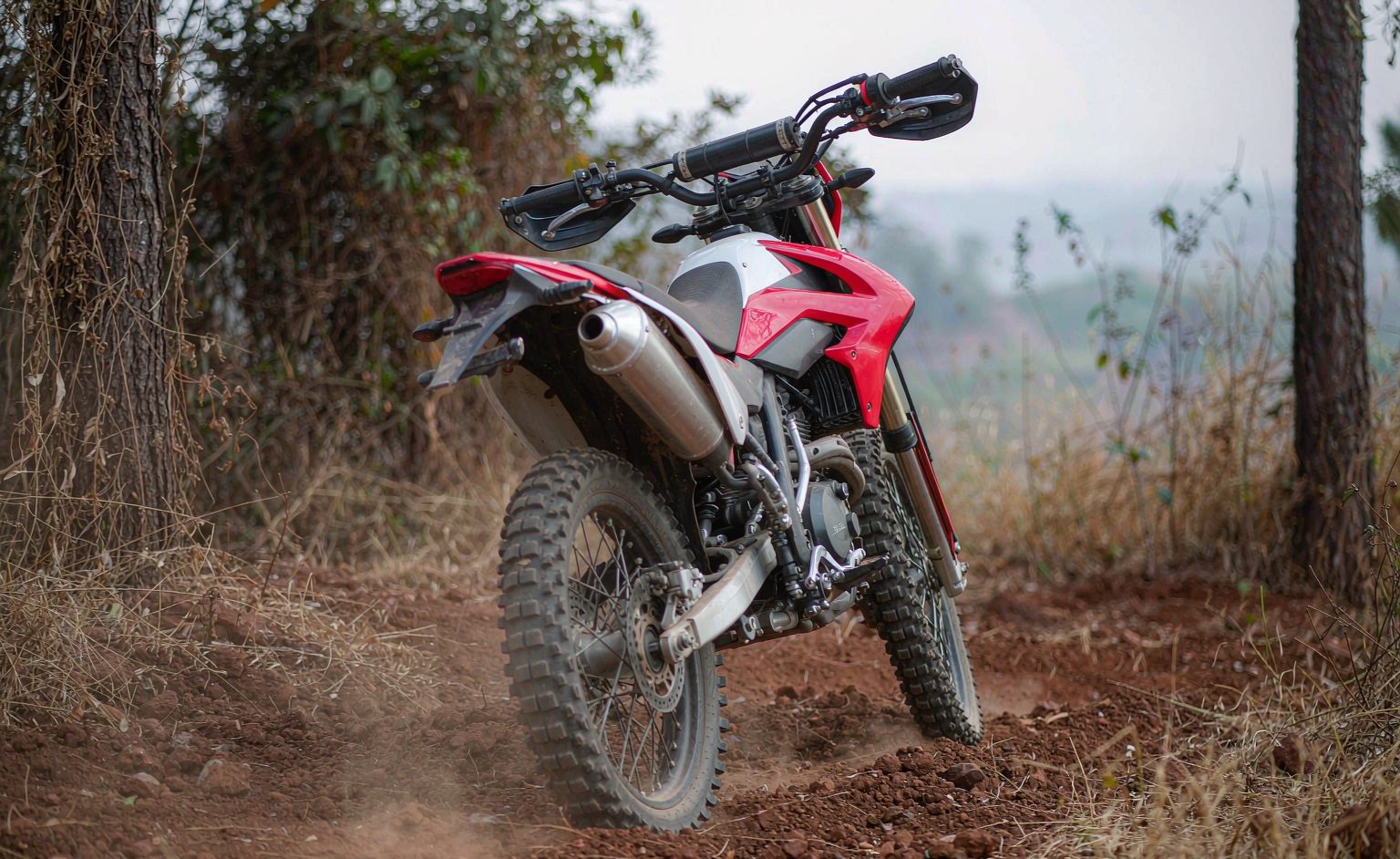
An off-road product line is a deliberate ladder, not a single bike dressed differently. Riders step up by displacement, by suspension travel, and by the terrain they intend to ride — trail, enduro, motocross. A range that ignores that ladder either overlaps itself or leaves a gap a competitor fills. Structuring the line means deciding where each model sits and why a rider moves from one to the next.
Key Takeaways
- The range is a ladder of displacement, suspension and terrain intent.
- Overlap wastes a model; a gap cedes the segment to competitors.
- Off-road and road models share certification work but differ in spec.
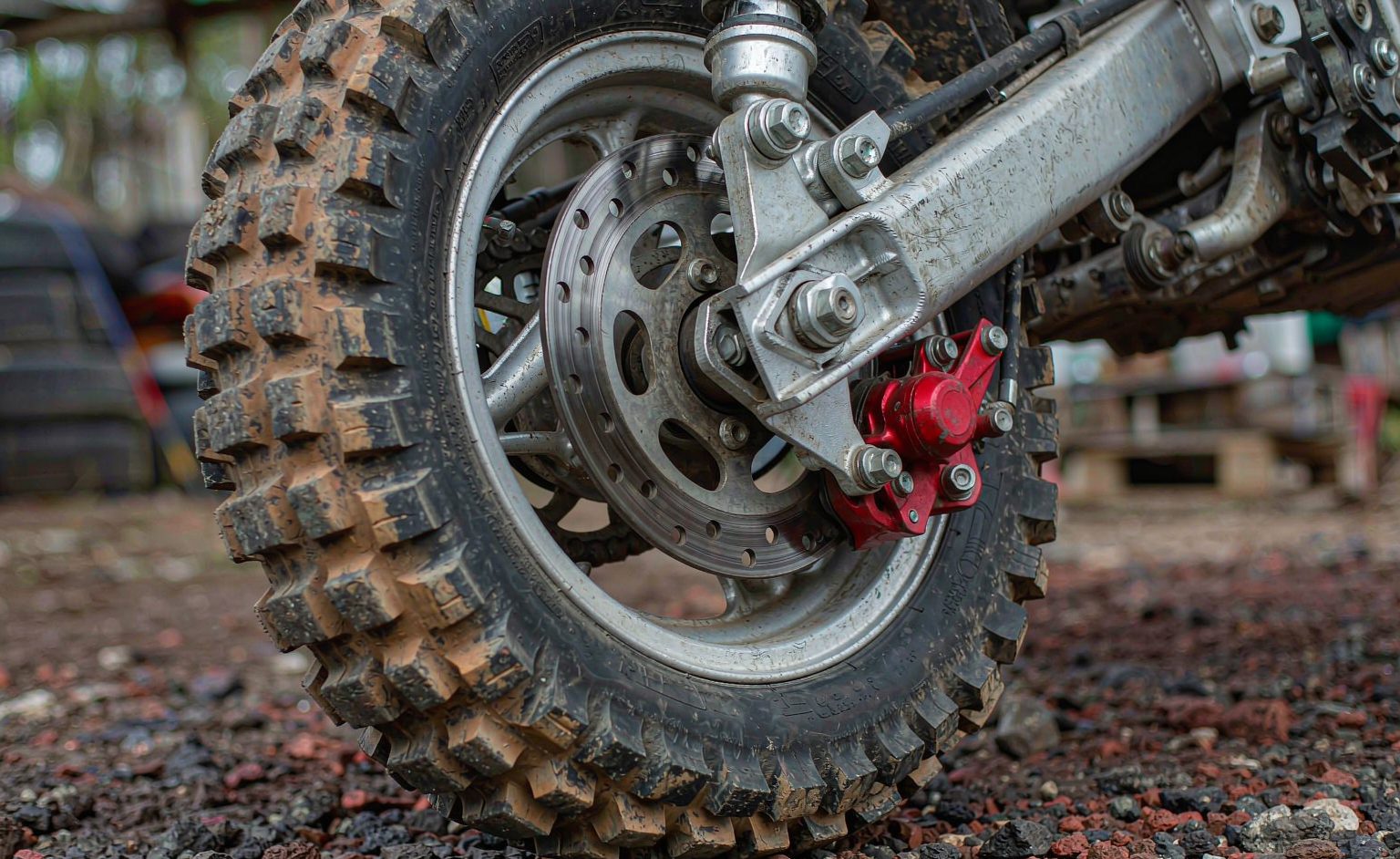
- Suspension and ground clearance define the ride more than peak power.
- The line must match how riders actually step up, not the catalogue.
The Displacement Ladder
Displacement brackets define who the bike is for and how they grow.
| Bracket | Rider | Role in line |
|---|---|---|
| Entry (small) | Beginners, youth | Feeder to the range |
| Mid | Trail riders | The volume model |
| Full (large) | Experienced | Flagship, margin |
The mid bracket is usually the volume and the margin driver, and the entry bike is what feeds riders up the ladder. Sourcing these models is the sourcing challenge, and each must clear import certification.
Suspension, Clearance and Intent
Two bikes of similar displacement can ride nothing alike based on suspension and intent.
| Attribute | Trail | Enduro | Motocross |
|---|---|---|---|
| Travel | Moderate | High | Highest |
| Clearance | Medium | High | High |
| Intent | Recreational | Race/trail | Closed-course |
Riders buy intent, not just numbers. A motocross bike and a trail bike at the same displacement serve different people, and confusing them in the line loses both. The suspension that defines the ride matters more than a peak-power figure on the spec sheet.
Certification and Range Economics
Off-road and road models share some certification work but differ in evidence.
| Aspect | Shared | Different |
|---|---|---|
| Base type approval | Some overlap | Usage class |
| Emissions | Engine family | On/off-road limits |
| Safety | General | Equipment rules |
Reusing an engine family across road and off-road models saves certification cost, but the usage class still differs. A clean import, then a pre-delivery inspection, is what gets the bike to the rider.
Frequently Asked Questions
What defines an off-road product line?
A ladder of displacement, suspension travel and terrain intent. Riders step up by bracket and by the riding they do, not by stickers on one frame.
Why avoid overlap in the range?
Because two models that compete with each other waste development and marketing. A clean ladder has each model owning a clear rider and step-up path.
Does displacement alone define the bike?
No. Suspension travel, ground clearance and intended use define the ride. Two same-displacement bikes can serve completely different riders.
Which bracket is most important?
The mid bracket is usually the volume and margin driver, while the entry bike feeds riders up the ladder into the rest of the range.
How does certification compare to road models?
Some engine-family work is shared, but the usage class, emissions limits and equipment rules differ, so off-road models need their own evidence.
What matters more than peak power?
Suspension and ground clearance define the real ride and the bike’s suitability to terrain. Riders buy intent, not a power number.
How should the line match riders?
By the actual step-up path riders take — entry to mid to full — rather than by what fits the catalogue neatly.
Technical background: off-road motorcycle, motocross and motorcycle explain the vehicle categories referenced above.