
Professional Motorcycle Engine Cleaning: A Comprehensive Guide for Safe Component Preservation
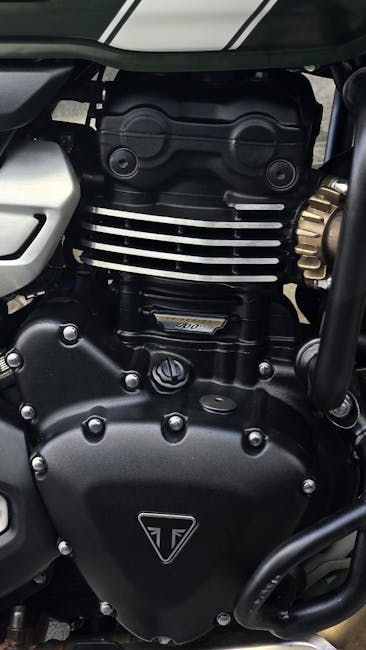
Motorcycle engine maintenance is a critical aspect of preserving vehicle performance and longevity. Proper cleaning techniques can significantly extend engine life while preventing costly repairs. However, many riders attempt to clean their engines using improper methods that can cause irreversible damage to sensitive components. This comprehensive guide outlines the safest and most effective approaches for engine cleaning, ensuring that your motorcycle’s mechanical integrity remains uncompromised throughout the process. For more detailed information on choosing a suitable motorcycle wholesaler and understanding the technical requirements for engine maintenance, see How to Choose a Suitable Motorcycle Wholesaler: An Insider’s Guide.
Understanding Engine Cleaning Requirements and Safety Protocols
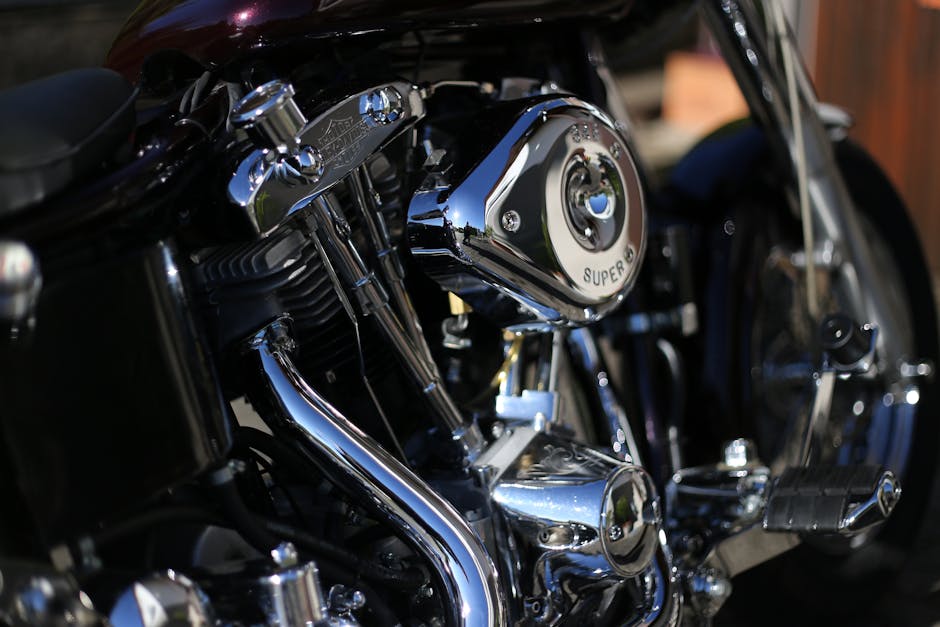
Before beginning any engine cleaning procedure, it is essential to understand the specific requirements of your motorcycle’s engine design and the inherent safety protocols involved. Different engine types present unique challenges and require specialized cleaning approaches. For instance, air-cooled engines may have different vulnerabilities compared to liquid-cooled systems, particularly regarding electrical components and cooling passages. The cleaning process must account for these variations to prevent component failure. This understanding aligns with the principles outlined in Motorcycle Engine Sizes Explained: Finding the Right CC for You, which emphasizes the importance of understanding your specific engine configuration.
Establishing proper safety protocols is paramount when working with motorcycle engines. This includes disconnecting the battery to prevent accidental electrical activation, ensuring adequate ventilation to avoid inhaling harmful fumes, and having appropriate protective equipment readily available. The engine should be properly supported and positioned to allow safe access to all cleaning areas while maintaining stability throughout the process. For detailed safety protocols and best practices, refer to Motorcycle Maintenance 101: A Comprehensive Guide to Keep Your Bike in Peak Condition.
Additionally, understanding the engine’s cooling system requirements is crucial. For engines that have recently been running, allowing them to cool completely before cleaning prevents thermal shock that could cause metal components to expand or contract rapidly, potentially leading to warping or cracking. This waiting period is particularly important for aluminum components, which are more susceptible to thermal damage than steel or cast iron parts. For more information on motorcycle storage and maintenance practices that preserve engine integrity, see How to Store Your Motorcycle and Maximize Its Lifespan.
Pre-Cleaning Preparation and Component Protection
Proper preparation forms the foundation of any successful engine cleaning operation. The first step involves thoroughly assessing the engine’s current condition and identifying any areas requiring special attention. This inspection should include examining electrical connections, coolant lines, oil passages, and any areas where debris may have accumulated over time. For guidance on comprehensive inspection procedures, refer to The Essential Motorcycle Maintenance Checklist for Every Rider.
Protecting sensitive components is equally critical during the cleaning process. Electrical systems require particular attention, as moisture and cleaning solvents can cause corrosion or short circuits. Disconnecting battery terminals and covering electrical connectors with plastic bags or protective covers prevents accidental moisture exposure. For electronic control units, consider using specialized electrical tape to seal any exposed connections temporarily. This aligns with the technical expertise described in More Than a Manufacturer: How ZUKIDA Empowers Global Motorcycle Brands Through OEM/ODM Partnerships, which emphasizes proper component handling techniques.
Cooling system components need protection from direct cleaning solutions that could damage radiator fins or cooling passages. Applying a thin layer of petroleum jelly or using protective covers can prevent cleaning agents from entering sensitive cooling system components. Additionally, ensuring that oil filters and drain plugs are properly sealed prevents cleaning solutions from contaminating the lubrication system. For detailed information on motorcycle storage and maintenance practices, see How to Store Your Motorcycle and Maximize Its Lifespan.
Applying preventive measures to vulnerable areas such as carburetors, air filters, and fuel systems is essential. These components should be covered with plastic sheeting or removed temporarily if possible. For fuel-injected systems, be particularly careful to avoid any cleaning solution contact with electronic fuel pump components or injectors. This information complements the technical guidance provided in Motorcycle Wholesale: Driving B2B Success through Engineering Precision and Supply Chain Reliability, which emphasizes component protection in manufacturing processes.
Choosing Appropriate Cleaning Solutions and Equipment
Selecting the correct cleaning solutions is fundamental to successful engine cleaning without component damage. The choice of solvent depends on the engine’s material composition and the type of contaminants present. For general cleaning of aluminum and steel surfaces, mild alkaline degreasers are typically effective, as they can dissolve grease and oil without causing corrosion to metal surfaces. This aligns with the technical expertise in Wholesale Motorcycle Parts and Accessories: The Technical Benchmark for High-Performance Supply Chains, which emphasizes proper chemical selection for component preservation.
When dealing with carbon deposits and varnish build-up, stronger solvents may be necessary. However, these should be used with extreme caution, particularly around painted surfaces or areas where plastic components may be present. In such cases, consider using specialized carbon cleaning products designed specifically for motorcycle engines, which typically contain less aggressive chemicals that won’t damage sensitive materials. For comprehensive information on motorcycle maintenance and component care, see The Ultimate Motorcycle A-Z Guide: From First Ride to Expert Maintenance.
Equipment selection also directly affects preventing component damage. Using appropriate tools such as soft brushes, non-abrasive sponges, and low-pressure cleaning equipment helps maintain component integrity. High-pressure water systems can force moisture into areas where it shouldn’t go, potentially causing damage to bearings or electrical components. Instead, use gentle cleaning methods with moderate pressure and appropriate cleaning tools designed for delicate surfaces. This approach is consistent with the technical standards outlined in Motorcycle Engine Sizes Explained: Finding the Right CC for You, which emphasizes proper technique selection for component preservation.
Temperature control of cleaning solutions is another important factor. Warm solutions (not hot) typically work more effectively than cold ones, as they help break down grease and oil more efficiently. However, excessively hot solutions can damage rubber seals, gaskets, and other plastic components. Maintaining solutions at a moderate temperature, around 100-120°F, provides optimal cleaning effectiveness while minimizing component risk. This temperature control aligns with the technical expertise described in Bulk Motorcycle Purchases for International Dealers: A Comprehensive Guide to Optimizing ROI and Supply Chain Reliability, which emphasizes proper temperature management in manufacturing processes.
Step-by-Step Cleaning Process for Different Engine Types
Implementing a systematic cleaning process ensures thorough coverage while minimizing the risk of component damage. The process begins with external surface cleaning, working from top to bottom to prevent dripping solutions onto already-clean areas. Start by removing any loose debris, leaves, or insects that may have accumulated on the engine bay. This systematic approach is essential for maintaining component integrity, as discussed in The Engineer’s Perspective: A Deep Dive into the Zukida Motorcycle Fleet, which emphasizes methodical procedures in manufacturing.
For air-cooled engines, begin with the cooling fins and surrounding areas, as these are most exposed to debris accumulation. Use soft brushes to remove surface contaminants while being careful not to bend delicate cooling fins. Apply cleaning solution evenly using appropriate tools, allowing it to dwell for the recommended time before rinsing with warm water. This technique aligns with the specialized methods described in Off Road On Road Motorcycle Expeditions: A Manufacturer’s Guide to Loading and Balance, which emphasizes proper handling of delicate components.
Engine compartment cleaning requires particular attention to prevent damage to sensitive components. Work systematically through each area, ensuring that cleaning solutions don’t reach electrical connections or sensitive electronic components. Use targeted application methods, applying solutions directly to areas requiring cleaning while protecting surrounding components with barriers. This systematic approach is crucial for maintaining component integrity, as outlined in Best Off Road Motorcycle: Top Picks for Enduro, Trail, and Adventure, which emphasizes careful component handling.
For engines with complex cooling systems, take special care when cleaning around radiator areas and coolant passages. These areas require gentle cleaning methods to prevent damage to delicate cooling fins and prevent cleaning solutions from entering the cooling system through unintended openings. This aligns with the technical expertise described in Forging the Future of Mobility: A Deep Dive into the Zukida Motorcycle Company, which emphasizes precision in component handling.
Post-cleaning procedures are equally important for maintaining component integrity. Ensure all cleaning solutions are thoroughly removed, particularly from areas where moisture could remain trapped. Dry all cleaned components completely before reassembly, as residual moisture can lead to corrosion and component failure over time. For comprehensive maintenance guidance, see The Ultimate Motorcycle A-Z Guide: From First Ride to Expert Maintenance, which provides detailed post-cleaning procedures.
Specific Cleaning Techniques for Critical Engine Components
Cleaning critical engine components requires specialized techniques that address the unique characteristics of each system. The cylinder head area, for instance, demands careful attention due to the presence of sensitive valve train components and potential combustion chamber contamination. Use gentle cleaning methods around valve covers and rocker arms, ensuring that cleaning solutions don’t penetrate into areas where they could cause damage to valve train components. This technique aligns with the specialized methods described in The Anatomy of Excellence: Dissecting the Core Systems of a Global Motorcycle Leader, which emphasizes precision in component handling.
Cooling system cleaning requires particular attention to prevent damage to radiator fins and cooling passages. These areas are often delicate and can be easily damaged by aggressive cleaning methods. Use specialized tools designed for radiator cleaning and apply gentle cleaning solutions to avoid bending or damaging the thin cooling fins that are essential for proper engine cooling. This aligns with the technical expertise outlined in The Zukida Way: A Deep Dive into the Philosophy of a Global Motorcycle Leader, which emphasizes proper component handling techniques.
Fuel system cleaning presents unique challenges, particularly for fuel-injected engines where electronic components require protection from moisture and cleaning solvents. These systems often have sensitive electronic components that can be damaged by improper cleaning techniques. Specialized fuel system cleaning products and techniques are necessary to safely clean these areas without causing damage to electronic components. This aligns with the comprehensive maintenance guidance provided in Motorcycle Maintenance 101: A Comprehensive Guide to Keep Your Bike in Peak Condition, which emphasizes proper fuel system care.
Electrical system cleaning requires extreme caution and specialized approaches. This includes cleaning battery connections, wiring harnesses, and electronic control units. These areas require gentle cleaning methods that won’t damage electrical connections or electronic components. Specialized electrical cleaning products and techniques are necessary to safely clean these areas while maintaining electrical system integrity. This aligns with the technical expertise described in More Than a Manufacturer: How ZUKIDA Empowers Global Motorcycle Brands Through OEM/ODM Partnerships, which emphasizes proper electrical component handling.
Reassembly and Post-Cleaning Inspection Procedures
Proper reassembly after cleaning is critical to maintaining engine integrity and ensuring that all components function correctly. Each component should be carefully reinstalled following the manufacturer’s specifications and procedures. Pay particular attention to electrical connections, ensuring they are properly seated and secured before final assembly. This systematic approach is essential for maintaining component integrity, as discussed in The Engineer’s Perspective: A Deep Dive into the Zukida Motorcycle Fleet, which emphasizes proper assembly procedures.
Post-cleaning inspection procedures help identify any potential issues that may have been introduced during the cleaning process. This includes checking for any residual cleaning solution that may have remained in sensitive areas, verifying that all components are properly aligned and secured, and ensuring that no cleaning materials were left behind that could cause future problems. For comprehensive inspection guidance, see The Essential Motorcycle Maintenance Checklist for Every Rider, which provides detailed inspection procedures.
Testing the engine after cleaning provides valuable information about the effectiveness of the cleaning process and the overall condition of the engine. Monitor for any unusual sounds, smells, or performance issues that might indicate problems with the cleaning process or underlying engine conditions. This testing phase is crucial for ensuring that the cleaning process has achieved its intended results without introducing any new issues. For comprehensive testing guidance, see Ultimate Guide to Motorcycle Specs in 2025: What You Need to Know, which provides detailed testing procedures.
Documentation of the cleaning process provides valuable information for future maintenance and helps establish a baseline for ongoing engine care. This includes noting any specific cleaning techniques or products used, any issues discovered during the process, and any components that required special attention. This documentation helps ensure consistency in future cleaning procedures and provides valuable information for ongoing engine maintenance planning. For comprehensive documentation guidance, see The Ultimate Motorcycle A-Z Guide: From First Ride to Expert Maintenance, which provides detailed documentation procedures.
Advanced Cleaning Technologies and Professional Techniques
Modern motorcycle maintenance increasingly relies on advanced cleaning technologies that offer enhanced effectiveness while minimizing component damage. These technologies include specialized cleaning solutions, automated cleaning equipment, and professional-grade tools designed specifically for motorcycle engine maintenance. These advanced methods often provide superior cleaning results compared to traditional hand-cleaning techniques. This aligns with the technical expertise described in Motorcycle Engine Sizes Explained: Finding the Right CC for You, which emphasizes modern technology integration.
Professional cleaning techniques incorporate specialized knowledge and experience that can significantly improve cleaning effectiveness while reducing component risk. These techniques include understanding of material properties, proper chemical interactions, and appropriate application methods that maximize cleaning effectiveness while minimizing potential damage to sensitive components. This aligns with the professional expertise outlined in More Than a Manufacturer: How ZUKIDA Empowers Global Motorcycle Brands Through OEM/ODM Partnerships, which emphasizes professional-grade techniques.
Equipment advances in cleaning technology have revolutionized the industry, providing more precise control over cleaning processes and reducing the risk of component damage. Modern cleaning equipment often features temperature control, pressure regulation, and specialized nozzles that allow for targeted cleaning while protecting sensitive areas from accidental exposure to cleaning solutions. This aligns with the technical standards described in Bulk Motorcycle Purchases for International Dealers: A Comprehensive Guide to Optimizing ROI and Supply Chain Reliability, which emphasizes precision equipment use.
Advanced maintenance protocols incorporate comprehensive inspection procedures and quality control measures that ensure cleaning effectiveness while maintaining component integrity. These protocols include systematic inspection procedures, documentation requirements, and testing protocols that verify the cleaning process has achieved its intended results without introducing any new issues. This aligns with the comprehensive maintenance guidance provided in The Ultimate Motorcycle A-Z Guide: From First Ride to Expert Maintenance, which emphasizes quality control measures.
Maintenance Schedule and Long-Term Engine Care
Establishing a regular maintenance schedule helps prevent the need for extensive cleaning procedures and maintains optimal engine condition over time. A systematic approach to engine maintenance ensures that cleaning procedures are performed at appropriate intervals, preventing the accumulation of contaminants that would require more intensive cleaning methods. This aligns with the maintenance guidance provided in Motorcycle Maintenance 101: A Comprehensive Guide to Keep Your Bike in Peak Condition, which emphasizes regular maintenance schedules.
Long-term engine care extends beyond individual cleaning procedures to include comprehensive maintenance practices that prevent future contamination and preserve engine integrity. This includes regular oil changes, proper storage practices, and ongoing monitoring of engine condition to identify potential issues before they require extensive cleaning or repair. For comprehensive maintenance guidance, see The Ultimate Motorcycle A-Z Guide: From First Ride to Expert Maintenance, which provides detailed maintenance procedures.
Proper maintenance practices also include understanding the specific needs of different engine types and operating conditions. For instance, engines operating in harsh environments may require more frequent cleaning, while those operating in cleaner conditions may need less intensive maintenance procedures. This understanding helps optimize cleaning schedules and techniques for specific applications. This aligns with the technical expertise described in Motorcycle Engine Sizes Explained: Finding the Right CC for You, which emphasizes proper engine-specific maintenance.
Documentation and record-keeping of maintenance activities provides valuable information for ongoing engine care and helps establish patterns that can optimize maintenance schedules and cleaning procedures. This information is essential for maintaining engine reliability and preventing issues that could require extensive cleaning or repair procedures. For comprehensive documentation guidance, see The Ultimate Motorcycle A-Z Guide: From First Ride to Expert Maintenance, which provides detailed documentation procedures.
By following these comprehensive guidelines and understanding the specific requirements of your motorcycle’s engine, you can ensure effective cleaning procedures that preserve component integrity while maintaining optimal engine performance. The investment in proper cleaning techniques and regular maintenance practices pays dividends in engine longevity, performance, and reliability over the life of your motorcycle. For ultimate guidance on choosing the perfect motorcycle and understanding its specifications, see The Ultimate Guide to Choosing Your Perfect Motorcycle, which provides comprehensive motorcycle selection guidance.